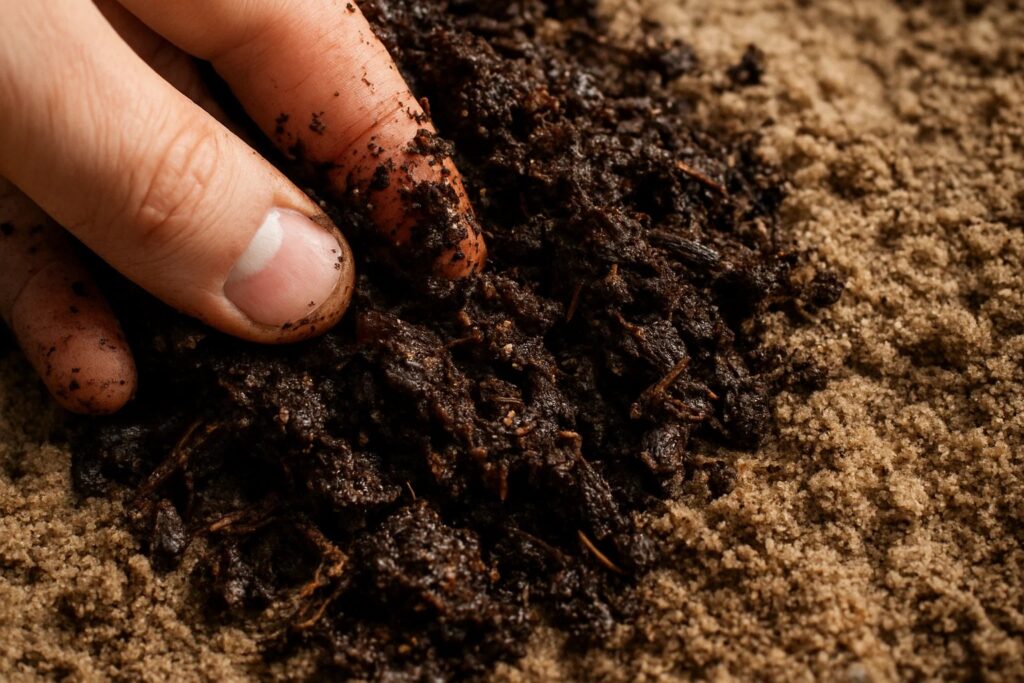
Every thriving lawn begins below the surface. The grass may steal the spotlight, but the real magic happens in the soil. In North Myrtle Beach, where sandy soils drain fast and summer storms wash nutrients away, soil health determines whether your turf flourishes or fades. Good soil acts like the foundation of a home—it supports, nourishes, and protects everything above it. Without healthy soil, even the best turf variety or fertilizer won’t live up to its potential.
At KeckCo Turf and Ornamental Services, we’ve spent years helping coastal homeowners transform weak, patchy lawns into dense, vibrant carpets of green. The secret? Understanding how to build and maintain living soil that feeds itself—and your grass—naturally.
What Makes Soil “Healthy”?
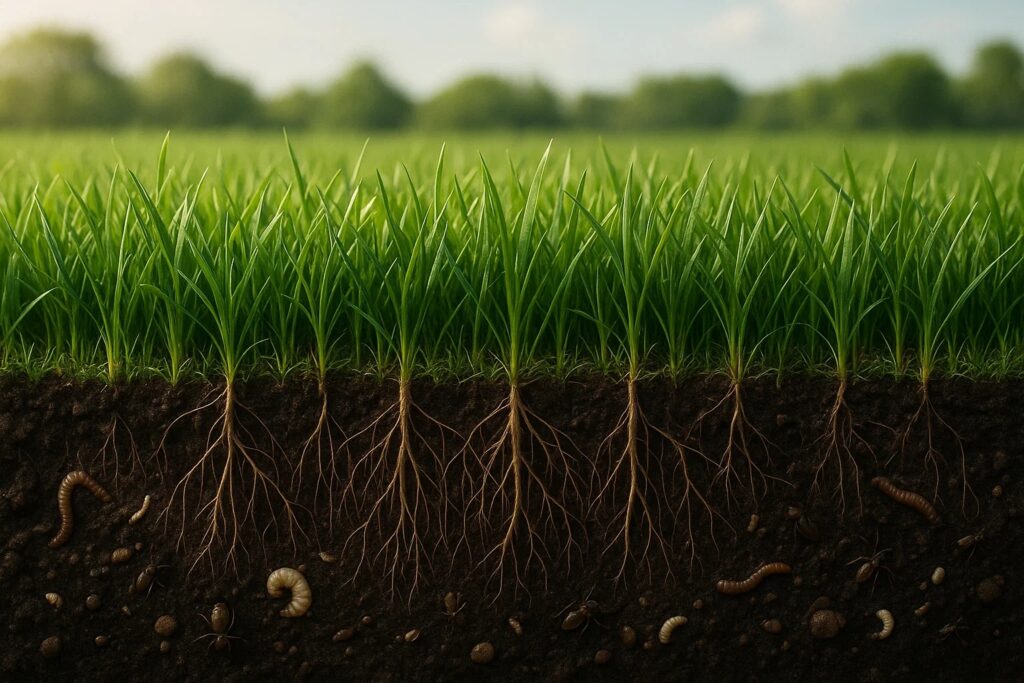
Healthy soil is alive. It’s not just dirt—it’s a living ecosystem teeming with bacteria, fungi, worms, and insects that recycle nutrients and keep plants thriving. These tiny organisms form the soil food web, breaking down organic matter and making essential minerals available to roots.
Good soil has:
- Balanced texture: The right mix of sand, silt, and clay allows both drainage and moisture retention.
- Organic matter: Compost, decaying roots, and mulch feed beneficial microbes and improve structure.
- Proper pH: Grass grows best in slightly acidic soil (around 6.0–6.5).
- Strong structure: Loosely packed but cohesive soil lets roots penetrate deeply and water move freely.
In coastal areas like North Myrtle Beach, soils are often sandy and low in organic material. That means they dry quickly and can’t hold nutrients for long. Restoring balance takes consistent effort—but the rewards are lasting.
How Poor Soil Affects Your Lawn
When soil health declines, everything above it suffers. You may notice:
- Thin, patchy grass despite watering and fertilizing.
- Frequent weeds that outcompete weak turf.
- Water puddling or runoff because compacted soil can’t absorb moisture.
- Faded color or yellowing leaves due to nutrient deficiencies.
Unhealthy soil doesn’t just look bad—it costs you money. Lawns with poor soil need more water, more fertilizer, and more maintenance. Over time, that adds up to hundreds of dollars spent fighting symptoms instead of fixing the root cause.
Simple Steps to Improve Soil Health
Healthy soil isn’t built overnight—but with smart practices, it gets better each season.
1. Aerate the Soil
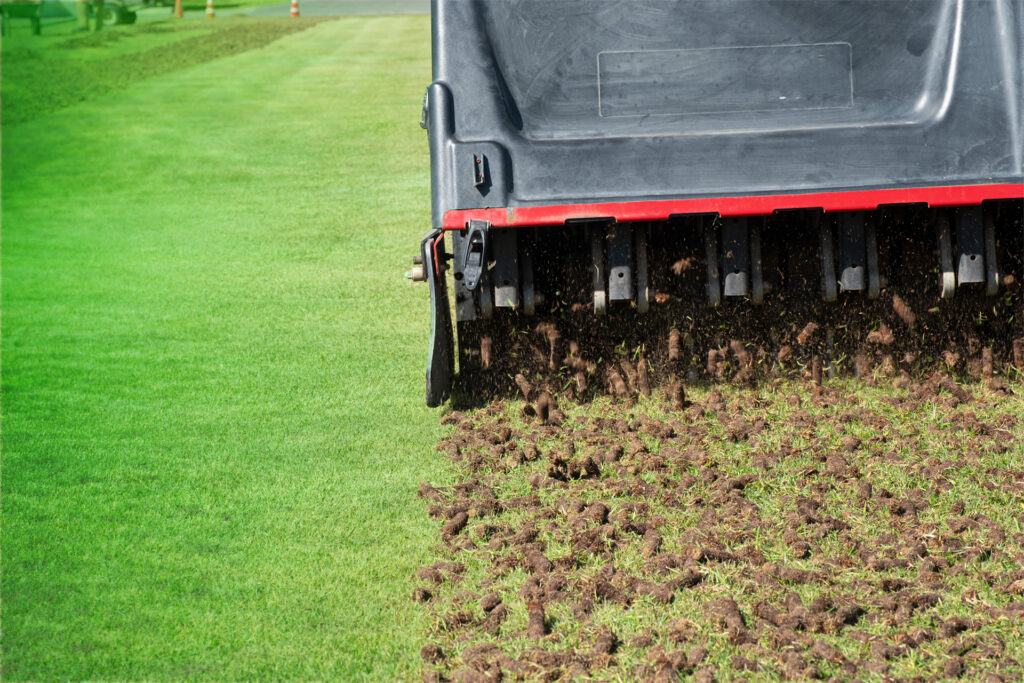
Compaction is one of the biggest enemies of soil health. When soil becomes packed down by foot traffic or rain, air and water can’t reach the roots. Core aeration, where plugs of soil are removed, breaks up compaction and gives microbes room to breathe.
KeckCoTurf recommends aerating once a year, ideally in late spring or early summer, when warm-season grasses like Bermuda and Zoysia are actively growing.
2. Add Organic Matter
Sandy soils in coastal regions need organic matter to hold nutrients and moisture. Incorporate compost, shredded leaves, or pine straw mulch into beds and lawn areas. Over time, these materials transform sterile sand into living soil that supports long-term turf growth.
3. Balance Fertilization
Fertilizer feeds plants, but it doesn’t fix unhealthy soil. Combine fertilization with organic amendments to nourish both the grass and the microbes that sustain it. Avoid overusing synthetic fertilizers—they can upset microbial balance and cause nutrient leaching into waterways.
4. Manage pH Levels
North Myrtle Beach soils tend to be slightly acidic, but salt exposure can alter pH levels. Regular soil testing helps determine if your lawn needs lime (to raise pH) or sulfur (to lower it). A balanced pH ensures nutrients are actually available to the roots.
5. Protect the Soil Surface
Bare soil dries out and erodes quickly. Maintain a healthy grass cover or apply mulch in ornamental beds to insulate the soil, retain moisture, and prevent erosion during heavy coastal rains.
The Long-Term Payoff of Healthy Soil
Healthy soil pays dividends year after year. Lawns with strong soil structure develop deep root systems, resist drought, and bounce back quickly after storms or foot traffic. They require less fertilizer and water, making them both eco-friendly and cost-efficient.
Strong soil also benefits your ornamentals. Shrubs and trees grow more resiliently, flowers bloom brighter, and the overall landscape becomes self-sustaining. In short, when you care for your soil, your entire property thrives.
Start from the Ground Up with KeckCo Turf and Ornamental Services
If your lawn struggles despite regular maintenance, the issue might be under your feet. KeckCo Turf and Ornamental Services offers professional soil testing, aeration, and amendment programs tailored to North Myrtle Beach’s coastal conditions. We help you build a healthy foundation so your landscape stays green, strong, and beautiful all year long.
Call 843-273-0735 or visit https://keckcoturf.stylestrandmedia.agency/ to schedule a soil health evaluation and start growing from the ground up.