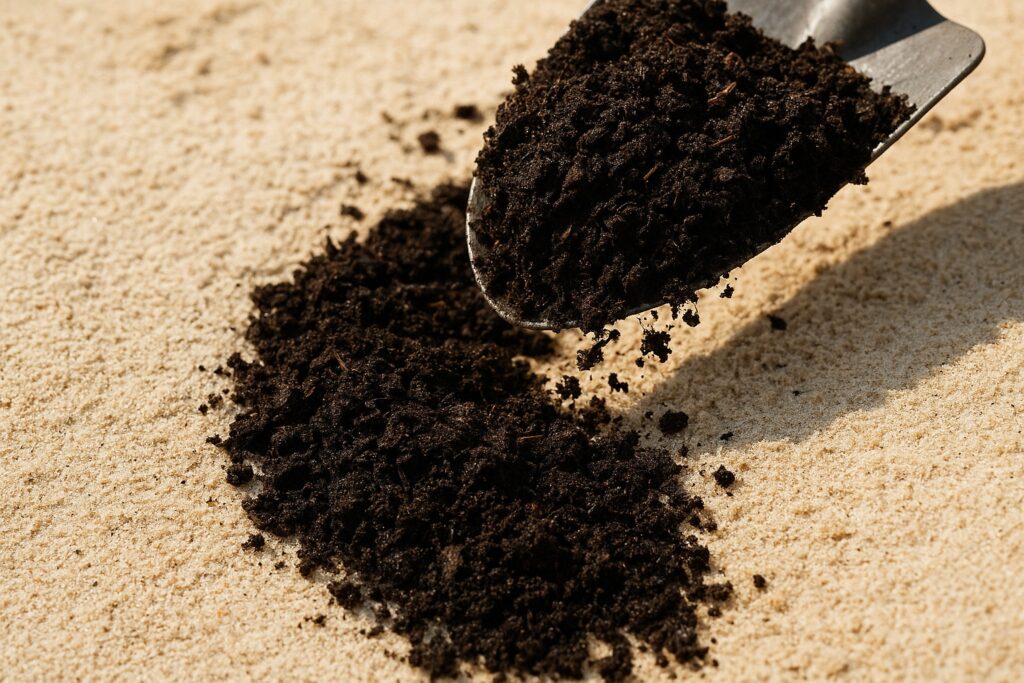
Scratch beneath the green blades of grass, and the real story of your lawn begins in the soil. In North Myrtle Beach, sandy soils drain too quickly, heavy rains wash nutrients away, and salty air adds another layer of stress. If the dirt beneath your turf is weak, no amount of watering or mowing will keep it healthy. At KeckCo Turf & Ornamental Services, we’ve learned that the secret to a strong, resilient lawn always begins below the surface—with the soil.
Why Soil Matters More Than You Think
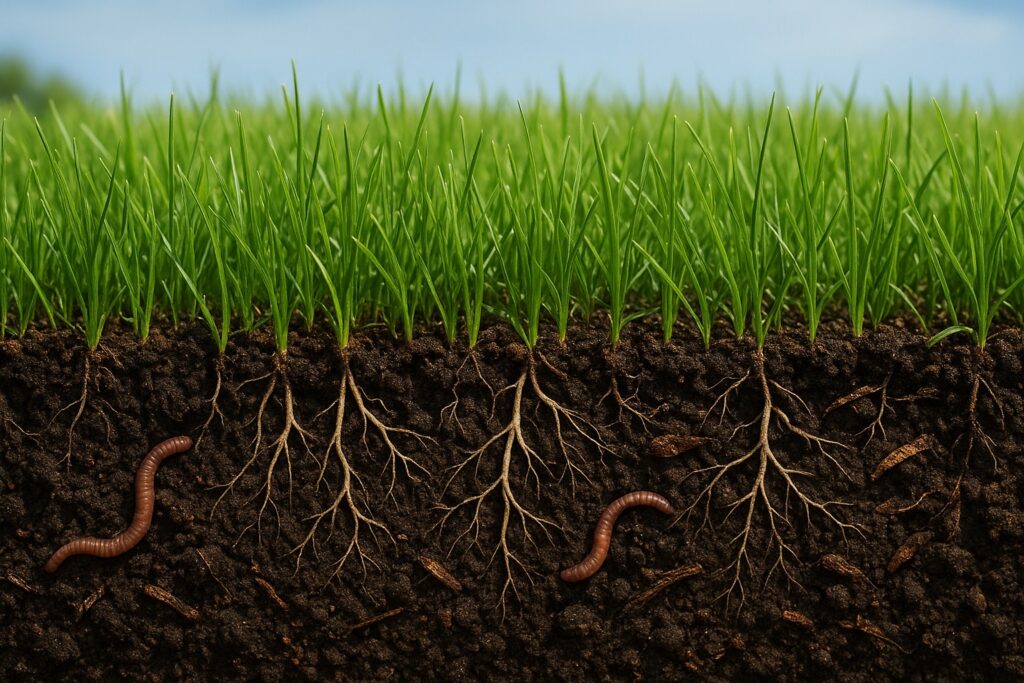
Healthy soil is alive. It’s not just dirt—it’s a bustling ecosystem filled with microbes, fungi, and earthworms working together to recycle nutrients and help plants absorb them. When soil is healthy, it acts like a sponge, holding just the right balance of air, water, and nutrients for turf roots. Without this life, soil becomes little more than a lifeless medium where grass struggles to survive. Lawns with poor soil are far more vulnerable to weeds, pests, and disease.
Common Soil Challenges in North Myrtle Beach
Sandy Soil:
Our region’s sandy soils let water pass through too quickly. While that can help avoid puddles, it also means nutrients leach away before grass roots can absorb them. The result is turf that constantly looks hungry and thirsty, no matter how often you feed or water it.
Compaction:
Over time, foot traffic, heavy equipment, and even pounding rain can pack the soil down tightly. Compacted soil leaves little room for air and water to move, suffocating the roots. Grass in compacted soil grows shallow, weak roots and becomes more prone to drought stress.
Low Organic Matter:
Without enough organic material—like decomposed leaves, compost, or mulch—soil becomes sterile and unable to support healthy turf. Organic matter is what improves the soil’s structure, allowing it to hold water longer and supply nutrients slowly over time.
Salt Influence:
Living near the coast has its perks, but salty air and occasional saltwater exposure can stress sensitive grasses and ornamentals. This added pressure makes it even more important to build strong, resilient soil that can help plants recover quickly.
How to Improve Soil Health
Test Before You Treat:
Every yard is unique, and guessing at what your soil needs often wastes time and money. A soil test provides exact information about pH balance and nutrient levels, guiding you to the right amendments and fertilizers.
Add Organic Matter:
Mixing compost, shredded leaves, or pine straw mulch into the soil makes a dramatic difference. Organic matter improves the soil’s ability to hold onto water and nutrients, creating a reservoir for your turf to draw from when it needs it most.
Aeration:
Compacted soil needs relief, and core aeration is the answer. By removing plugs of soil, aeration opens pathways for air, water, and nutrients to reach the roots. Done once a year, it’s one of the most powerful steps you can take for soil health.
Balanced Fertilization:
Fertilizer is important, but only when applied in the right balance. Too much nitrogen can overstimulate grass and make it vulnerable to disease. Too little leaves turf weak. Following your soil test results ensures your lawn gets exactly what it needs—no more, no less.
Cover with Mulch:
In flower beds and around ornamentals, mulch does more than look neat. It protects the soil from erosion, moderates temperature, holds in moisture, and breaks down over time to feed the living soil web.
The Long-Term Payoff
Strong soil means strong grass. Deep-rooted turf can survive droughts, resist pests and weeds naturally, and stay greener with less fertilizer and water. Investing in soil health pays you back with a lawn that’s self-sustaining and resilient season after season.
Build Strong Roots with KeckCo
If your lawn struggles year after year, the problem may be beneath the surface. KeckCo Turf & Ornamental Services can test, amend, and restore soil health so your turf thrives. Call 843-273-0735 or visit keckcoturf.com to schedule your soil health consultation.