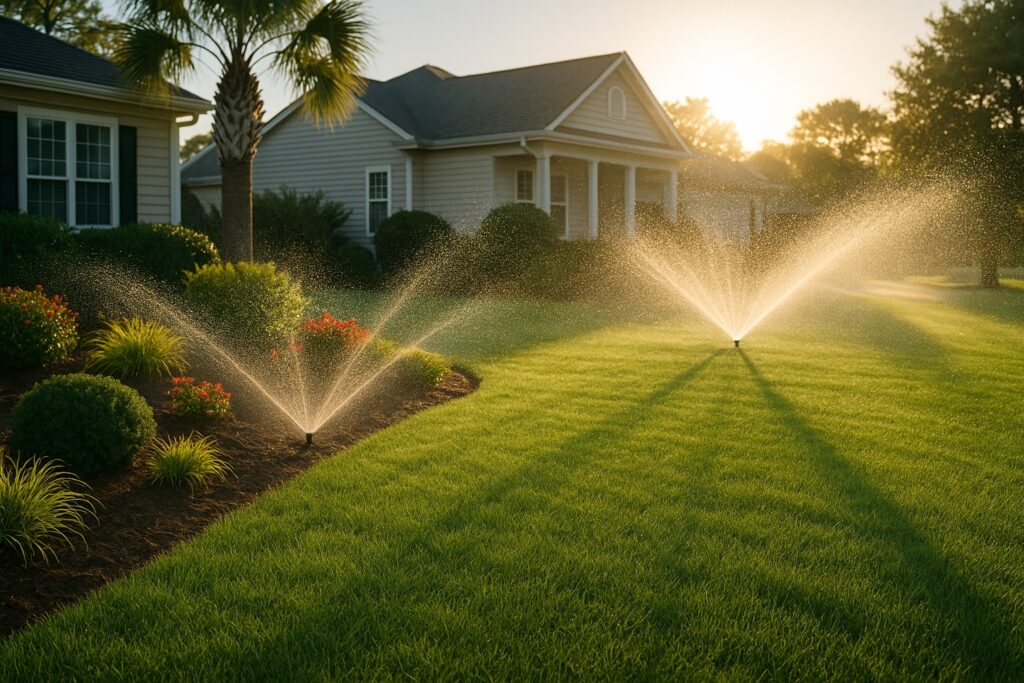
In North Myrtle Beach, where the summer sun scorches and sudden rains flood, it’s natural to want to baby your lawn with extra water. Homeowners often think, “If my grass looks dry, I’ll just give it more.” But too much love can smother your turf. Overwatering is one of the most common mistakes we see, and it quietly weakens grass until pests, disease, and bare spots take over.
At KeckCo Turf & Ornamental Services, we’ve spent more than 20 years helping homeowners strike the right balance—just enough water to keep turf thriving, not so much that it drowns.
Why Overwatering is a Problem
Grass roots need oxygen as much as they need water. When soil stays soggy, those roots suffocate. Instead of growing deep and strong, they stay shallow and fragile. This sets off a chain reaction:
- Shallow roots dry out quickly, making turf more dependent on constant watering.
- Excess moisture invites fungus and disease, like brown patch or dollar spot.
- Weeds and pests thrive where grass is weak.
- Wasted water shows up in higher bills and runoff that carries nutrients into storm drains.
What feels like “help” actually creates a weaker, thirstier lawn.

The Signs of Overwatering
Not sure if you’re guilty of overwatering? Watch for these red flags:
- Grass feels spongy underfoot.
- Mushrooms or moss appear in shaded areas.
- Turf turns yellow, even when watered.
- You notice runoff down sidewalks or driveways after sprinklers run.
- Brown patches spread despite regular watering.
If two or more of these sound familiar, it’s time to adjust your schedule.
How Much Water Your Lawn Really Needs
In our coastal climate, warm-season grasses like Bermuda, Zoysia, Centipede, and St. Augustine only need about 1 inch of water per week, including rainfall. That’s it. More isn’t better—it’s wasteful.
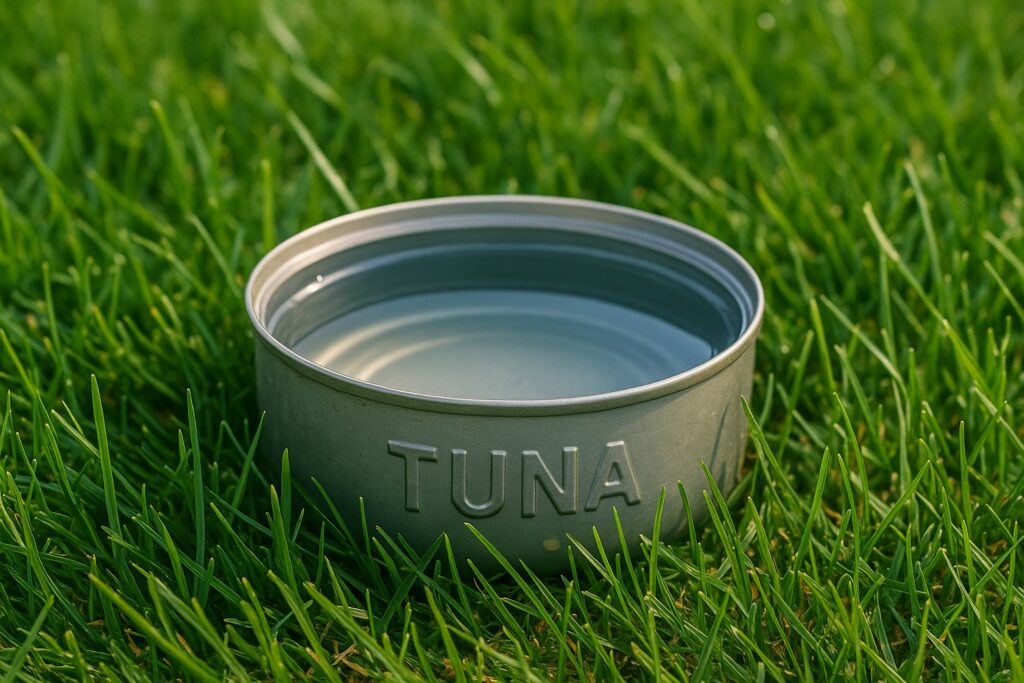
A simple trick: place a tuna can on the lawn while sprinklers run. When the can fills to 1 inch, you’re done for the week.
Best Practices for Smart Watering
- Water deeply and infrequently: 1–2 times per week, not every day.
- Irrigate early in the morning (before 9 a.m.) to reduce evaporation and disease.
- Check your system: Adjust sprinkler heads so water goes on grass, not driveways.
- Watch the weather: Skip watering if we’ve had a good coastal rain.
The Bigger Picture
Overwatering doesn’t just hurt your lawn—it drains your wallet and the environment. Smarter watering saves money, conserves water, and grows turf that’s naturally stronger against drought and pests.
Let KeckCo Help You Water Smarter
Not sure if your lawn is getting the right amount of water? KeckCo Turf & Ornamental Services can inspect your irrigation system, adjust your watering schedule, and keep your turf healthy year-round. Call 843-273-0735 or visit keckcoturf.com to schedule your lawn care service.